

Leave a request
for cost calculation
for cost calculation

MENU
Florida’s air conditioners work overtime. Cooling is often the biggest chunk of a Florida power bill, which makes a home’s insulation and air-tightness matter enormously. So are concrete SCIP homes actually energy-efficient in the heat? Yes — and here is why.
Most Florida homes lose efficiency through thermal bridging — gaps in insulation at studs, blocks, and connections where heat sneaks through. A SCIP panel wraps the home in a continuous layer of expanded-polystyrene foam with no stud or block gaps, so the whole shell insulates evenly. That is a fundamentally better approach than insulating between framing or relying on bare block.
Lower cooling bills every month add up over the life of the home, helping offset the higher up-front cost discussed in our pros and cons guide. Combined with the structure’s long lifespan, the energy savings make SCIP a strong long-term value, not just a storm-safety choice.
A tight, well-insulated shell is the foundation. Add an efficient HVAC system, impact windows (which are typically double-glazed and insulating), LED lighting, and smart thermostats, and a SCIP home can be genuinely low-energy even in South Florida’s climate.
Yes. SCIP panels provide continuous insulation with no thermal-bridging gaps, plus concrete thermal mass and a tight, monolithic shell — all of which reduce cooling loads and lower energy bills in Florida’s heat.
They tend to, because continuous insulation keeps heat out and the concrete mass stabilizes indoor temperatures, reducing hot spots and the work your air conditioner has to do.
By cutting the cooling load — the largest part of most Florida power bills — a well-built SCIP home typically reduces energy use compared with a poorly insulated block or wood-frame house. Actual savings depend on design, systems, and habits.
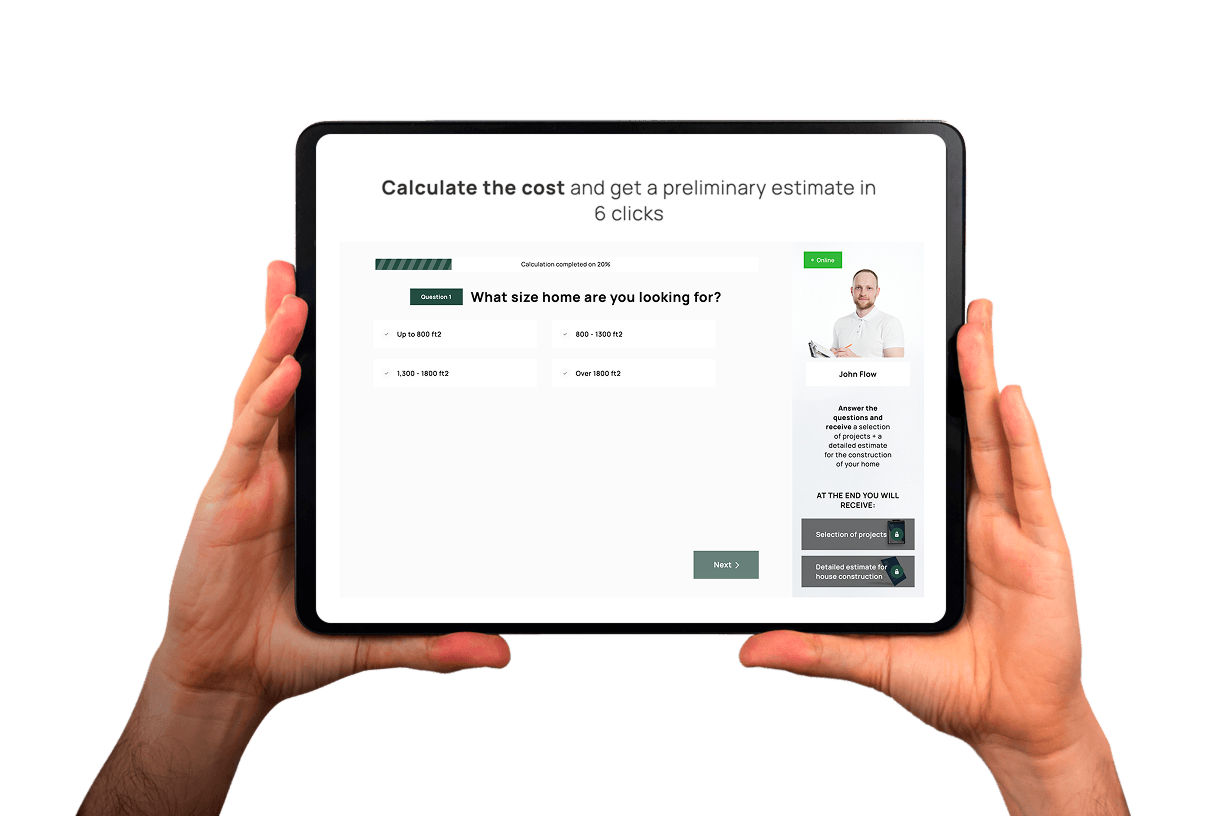
Want a cooler, cheaper-to-run home? Estimate your build or talk to GreenFab.
1. Information We Collect
We collect the following types of information:
2. How We Use Your Information
We use your information for the following purposes:
3. How We Share Your Information
We may share your information with the following categories of recipients:
4. Your Choices
5. Data Security
We take reasonable measures to protect your information from unauthorized access, use, or disclosure. However, no method of transmission over the Internet or method of electronic storage is completely secure.
6. Data Retention
We retain your personal information for as long as necessary to fulfill the purposes outlined in this Privacy Policy, unless a longer retention period is required or permitted by law.
7. Children’s Privacy
Our Site is not directed to children under the age of 13. We do not knowingly collect personal information from children under 13. If you are a parent or guardian and believe that your child has provided us with personal information, please contact us, and we will take steps to delete the information.
8. International Data Transfers
If you are accessing our Site from outside the United States, your information may be transferred to and processed in the United States, where our servers are located. The data protection laws of the United States may differ from those of your country.
9. Changes to This Privacy Policy
We may update this Privacy Policy from time to time. We will post any changes on our Site and update the “Last Updated” date above. Your continued use of our Site after the posting of changes constitutes your acceptance of the revised Privacy Policy.
10. Contact Us
If you have any questions about this Privacy Policy, please contact us at:
Greenfab
3255 NE 184th St, North Miami Beach, FL 33160
info@greenfab.house
+1(786)947-4333

Updated:
13.07.2022
